
A-1 Heating, Air Conditioning & Electric repairs heat pumps across Boise and the Treasure Valley. Our technicians diagnose and fix the faults Idaho winters cause most: outdoor units frozen over, defrost cycles that will not clear, auxiliary heat running when it should not be, and systems blowing cold air in the middle of a cold snap. We work on all heat pump brands, and we give you a repair price before any work starts. Call (208) 343-4445.
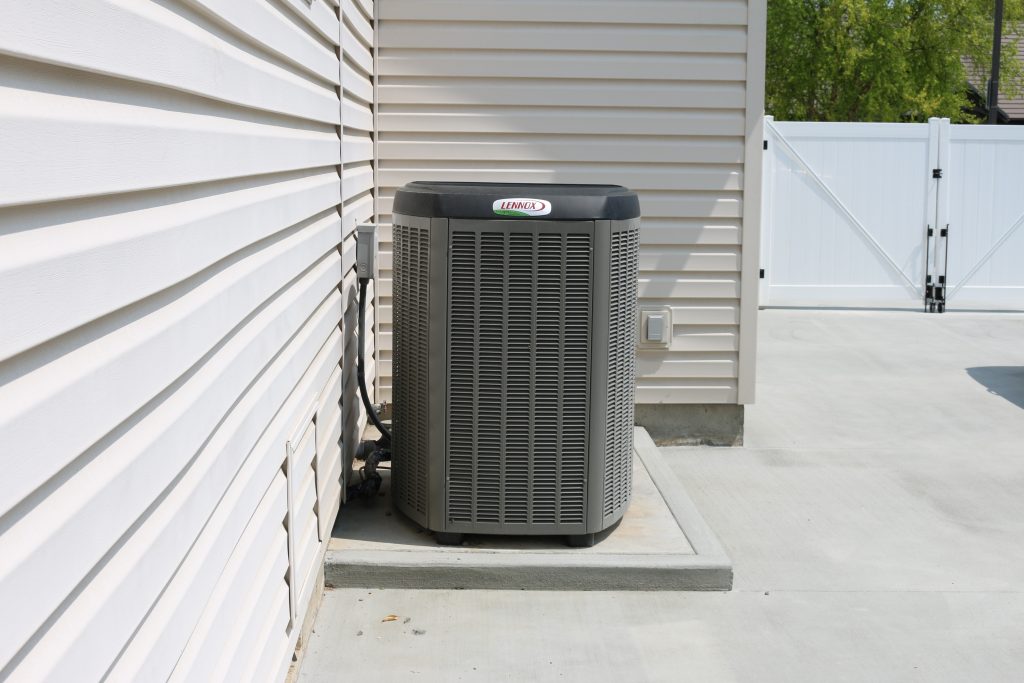
We repair heat pumps throughout Boise, including the Bench, the North End, Southeast Boise and the Boise foothills, and across the wider Treasure Valley in Meridian, Eagle, Star, Kuna, Nampa, Caldwell, Garden City and Middleton. Our office is at 327 N Linder Road in Meridian, a short drive from most Boise addresses. A-1 has worked on Treasure Valley heating and cooling long enough to have seen what this valley does to a heat pump: hard summer cooling loads, then winter nights cold enough to push a system into defrost again and again.
A light frost on the outdoor coil in winter is normal and the defrost cycle should clear it. Ice that covers the coil, builds into a solid sheet, or never melts is not normal. It usually points to a failed defrost control, a stuck reversing valve, a low refrigerant charge or blocked drainage. Running the system in that state can damage the compressor, so it is worth switching it off and calling.
A healthy defrost cycle clears most ice within about ten to fifteen minutes. During it the outdoor fan stops, the reversing valve clicks over, and you may see steam rising from the unit. All of that is normal. If the cycle runs and the ice stays, or the unit cycles into defrost far more often than it used to, the defrost board, sensor or thermostat is the usual culprit.
Auxiliary heat is supposed to come on during defrost and on the coldest days, when the outdoor temperature drops past your system’s balance point. What is not normal is auxiliary heat running for hours in mild weather. That usually means the heat pump is not producing enough heat on its own, and it is also the fastest way to a high winter power bill, because auxiliary heat is far more expensive to run.
Briefly, during a defrost cycle, this is expected. Continuously is not. Common causes are a reversing valve stuck in cooling, a refrigerant leak, a failed compressor or a thermostat wired or configured incorrectly after a replacement. It is worth checking your thermostat is set to heat and not to emergency heat before you call, because that one is free to fix.
Short cycling wears out compressors and it rarely resolves itself. Causes range from a dirty filter or blocked outdoor unit through to a refrigerant charge problem or a system that was oversized when it was installed. We diagnose which it is rather than guessing, because the fixes are very different in cost.
Grinding, screeching or a loud buzz when the unit tries to start points at the compressor, the fan motor or the capacitor. A unit that hums but does not turn is a classic failed capacitor, which is one of the cheaper heat pump repairs. Turn the system off if it is making a noise it has not made before.
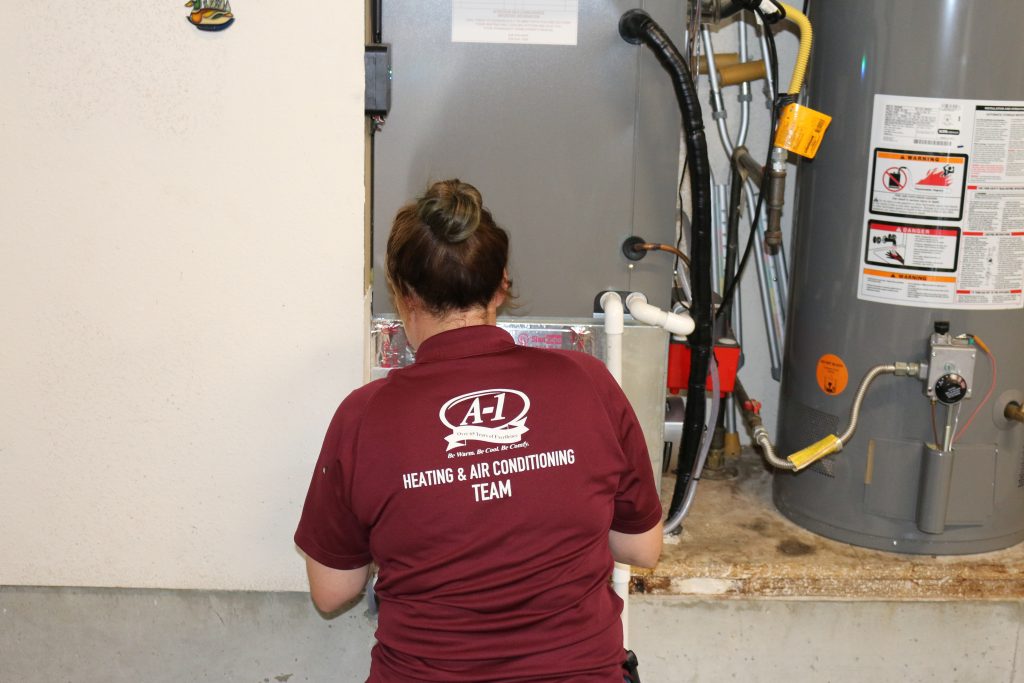
Every heat pump has a balance point, the outdoor temperature below which it can no longer heat your home on its own and auxiliary heat has to make up the difference. Depending on the equipment and the house, that is usually somewhere between 25 and 40 degrees. A standard air-source heat pump loses a noticeable amount of capacity below about 20 to 25 degrees. A cold-climate model holds usable capacity far lower.
That matters in Boise because our winters sit right in the range where the difference shows up. A system that coped last winter can start leaning on auxiliary heat this winter if its charge has drifted, its defrost control is failing or its coil is dirty. If your power bill has jumped and the thermostat keeps showing auxiliary heat, the heat pump is usually telling you something before it fails outright.
An A-1 technician diagnoses the system on site rather than over the phone, because heat pump faults tend to look alike from the outside. The diagnostic is $99 on weekdays and $149 on weekends, the same as our air conditioning diagnostic. You get the repair price before any work begins, and you approve it first. We repair all heat pump brands, ducted and ductless. Where a system is genuinely beyond a worthwhile repair, we will tell you that and show you the arithmetic rather than selling you a replacement you did not ask about.
Most heat pump faults are worth repairing. When a system is old enough, leaking refrigerant, or facing a compressor replacement, replacement can be the better arithmetic, and Idaho Power runs incentives on qualifying heat pumps through its Heating and Cooling Efficiency Program. A-1 is a participating contractor on that program, so if you choose us we handle the paperwork rather than leaving it with you. Idaho Power keeps a rotating list of participating contractors, and which one you use is your choice. The incentives carry real conditions, including minimum efficiency ratings and rules about the heating system the home has now. We will tell you plainly whether a repair makes more sense than a replacement in your case.
A-1 Heating, Air Conditioning & Electric repairs heat pumps in Boise and across the Treasure Valley, working from 327 N Linder Road in Meridian. A-1 employs NATE-certified technicians, and we repair all heat pump brands, ducted and ductless. Call (208) 343-4445 to book a diagnosis.
A thin layer of frost in winter is normal and the defrost cycle should clear it within about ten to fifteen minutes. Ice that covers the whole coil, or that never melts, is not normal and usually points to a defrost control fault, a stuck reversing valve, low refrigerant or blocked drainage. Switch the system off and call rather than running it iced up.
Not on its own. Auxiliary heat is designed to run during the defrost cycle and on the coldest days, when the outdoor temperature falls below your system’s balance point. It is a problem when it runs for hours in mild weather, which usually means the heat pump is not keeping up on its own. It also costs noticeably more to run, so a jump in your winter power bill is often the first sign.
Briefly during a defrost cycle this is expected. Continuously it is not, and the usual causes are a reversing valve stuck in cooling, a refrigerant leak, a failed compressor, or a thermostat set to emergency heat or miswired after a replacement. Check the thermostat setting first, then call if it has not resolved.